

What Is Mania? | Safe and Sound
Mania is a very distinct emotional disorder, the complete opposite of depression. Manic disorder, also known as a manic episode or mania, is a state of mental euphoria characterized by: increased mood, increased thought speed, increased activity, sleep disturbances, and disruptions to other biological functions.
Nguyen Thi Hong Hanh | Doctor - SnS Institute of Psychology and Mental Health
Center for Community Health and Development Research
1. Definition of mania
Mania is an emotional state characterized by a period lasting at least one week. A manic episode is a time when the patient feels an overwhelming surge of energy, capable of doing anything. It is an emotional disorder that causes the patient to experience an unusual level of vitality, both physically and mentally. Mania can lead to difficulties and reduced ability to work, interact with friends and family at home, or participate in other aspects of life; in more severe cases, it can require hospitalization.
2. Causes of mania
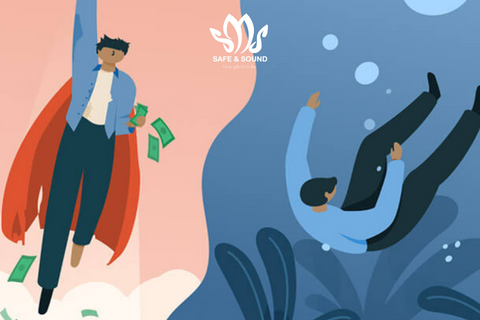
Mania can be a symptom of bipolar disorder.
Mania is common in people with bipolar disorder . The exact causes of bipolar disorder are not yet fully understood by psychiatrists, but those with a family history of the disorder have a higher risk of developing it. On the other hand, psychiatrists say several risk factors increase the likelihood of experiencing mania, including:
Insomnia, prolonged lack of sleep .
- Experiencing side effects from medications, especially SSRI antidepressants and steroid anti-inflammatory drugs.
- Drug poisoning from substances such as cocaine and methamphetamine.
- Alcohol addiction.
- Drug addiction.
- Sequelae of certain malignant diseases.

3. Symptoms of mania
A person experiencing a manic episode will exhibit the following prominent symptoms:
- Excessive self-esteem or a delusion of grandeur.
- Reduce the need for sleep.
- I talk more than usual and feel pressured to keep talking.
- Ideas and emotions surge, and I feel thoughts coming flooding in.
- Easily drawn to unimportant or unnecessary things.
- The goal is to increase activity levels (in social activities, work or studies, or sexual relationships) or to have psychomotor disturbances.
- Engaging in too many recreational activities can lead to negative consequences such as excessive shopping, reckless sexual behavior, etc.

Mania leads to mood swings.
Psychiatrists say that people experiencing mania may recognize changes in themselves or receive feedback from others. However, they tend not to trust the advice of others. Then, when the manic episode passes, they are left with regret, depression, and remorse for their actions.
People with severe mania may exhibit detached-from-reality behavior. They may experience hallucinations, auditory hallucinations, and delusions about themselves. Some may even genuinely believe they possess divine powers.


4. Treatment of manic syndrome
Psychotherapy is always the top priority for treating emotional disorders. Psychiatrists will interact with, listen to, and gently talk to the patient to alleviate manic episodes. Family members also need to cooperate to achieve the best treatment results. In severe cases, the patient requires specialized care and treatment from a psychiatrist in a hospital.
Along with psychotherapy, psychiatrists also prescribe medications such as mood stabilizers or even antipsychotics. Patients may even need to try several different medications before finding the most suitable treatment plan.
According to psychiatrists, to completely cure mania, patients and their families need to strictly follow the doctor's instructions to find a solution and should not self-treat by stopping medication, as this can lead to unpredictable consequences.
5. How can the Safe and Sound team of experts assist you?
We understand that psychotherapy can sometimes be a difficult step, and trying to find a new psychologist or psychiatrist who is a good fit for your individual needs and personality can be a challenging and challenging task.
We believe that the combination of a psychologist and a psychiatrist will provide the best support for you. Safe and Sound's team of experts meets rigorous standards, helping you address a wide range of mental health issues including: postpartum depression, anxiety, schizophrenia, sleep problems, mood disorders, relationship issues, mental trauma, and more.
- Extensive professional experience dealing with a wide range of psychological issues.
- Skills in assessing, consulting, and developing effective support plans.
- Flexibly combine techniques and methods to effectively support and maintain sustainable results.


In addition, Safe and Sound will:
- We don't see you as a patient: Instead, we see you as a courageous individual battling against a dark sky threatening to collapse. SnS experts can lend you a helping hand in this endeavor.
- We won't lecture you: We will work with you to rekindle the positive energy that has long been suppressed by so much pressure and suffering.
- Avoid the overuse of medications and chemicals: Instead, we will work with you to find effective and natural solutions.


Safe and Sound Clinic - Family mental and health support
With a team of experienced doctors and specialists, Safe and Sound Clinic is a pioneer in comprehensive healthcare, offering services ranging from medical to psychological care.
"Early preparation - Timely support - Long-term partnership."
If you suspect or experience any physical or mental health problems, please contact our HOTLINE at 0964 778 911 (Phone/Zalo, 24/7) for prompt assistance and answers!
HOW TO SCHEDULE AN APPOINTMENT for online or in-person consultation with a specialist.
- At the SnS Clinic - IMT Institute
- Alternatively, download and schedule a consultation on the Safe and Sound app to manage and track your appointments anytime, anywhere.
Safe and Sound (SnS) - part of the Institute of Applied Medical Technology (IMT)
See more:
What are the signs of bipolar disorder?
How is bipolar disorder treated?
